
While most people immediately think of the face when it comes to skincare, the scalp is also skin, directly connected to the face. During winter, the alternating cycle of indoor heating and cold winds strips moisture from the scalp, leading to flaking, itching, and a tight sensation. As the scalp's health deteriorates, many notice their hair becoming thinner and weaker or experience an increase in hair loss.
Winter scalp care begins with proper cleansing and drying habits. Since hot water excessively strips away natural oils, it is best to wash with lukewarm water and gently massage the scalp using your fingertips rather than your nails. After shampooing, ensure the scalp is thoroughly dried before the ends of the hair to avoid leaving it in a damp state for too long. Developing a habit of washing your hair in the evening to remove the day's accumulation of sebum and dust is also beneficial. Maintaining appropriate indoor humidity is a fundamental step in reducing scalp dryness.
There are signs you can easily check at home. Observe whether significantly more hair is left on your pillow or in the drain than before, if your part appears wider, if the volume at the crown has decreased, or if your hair feels thinner and more brittle. If itching and flaking persist even after the seasons change, home care may have its limits, making it advisable to seek an accurate diagnosis of your scalp's condition.
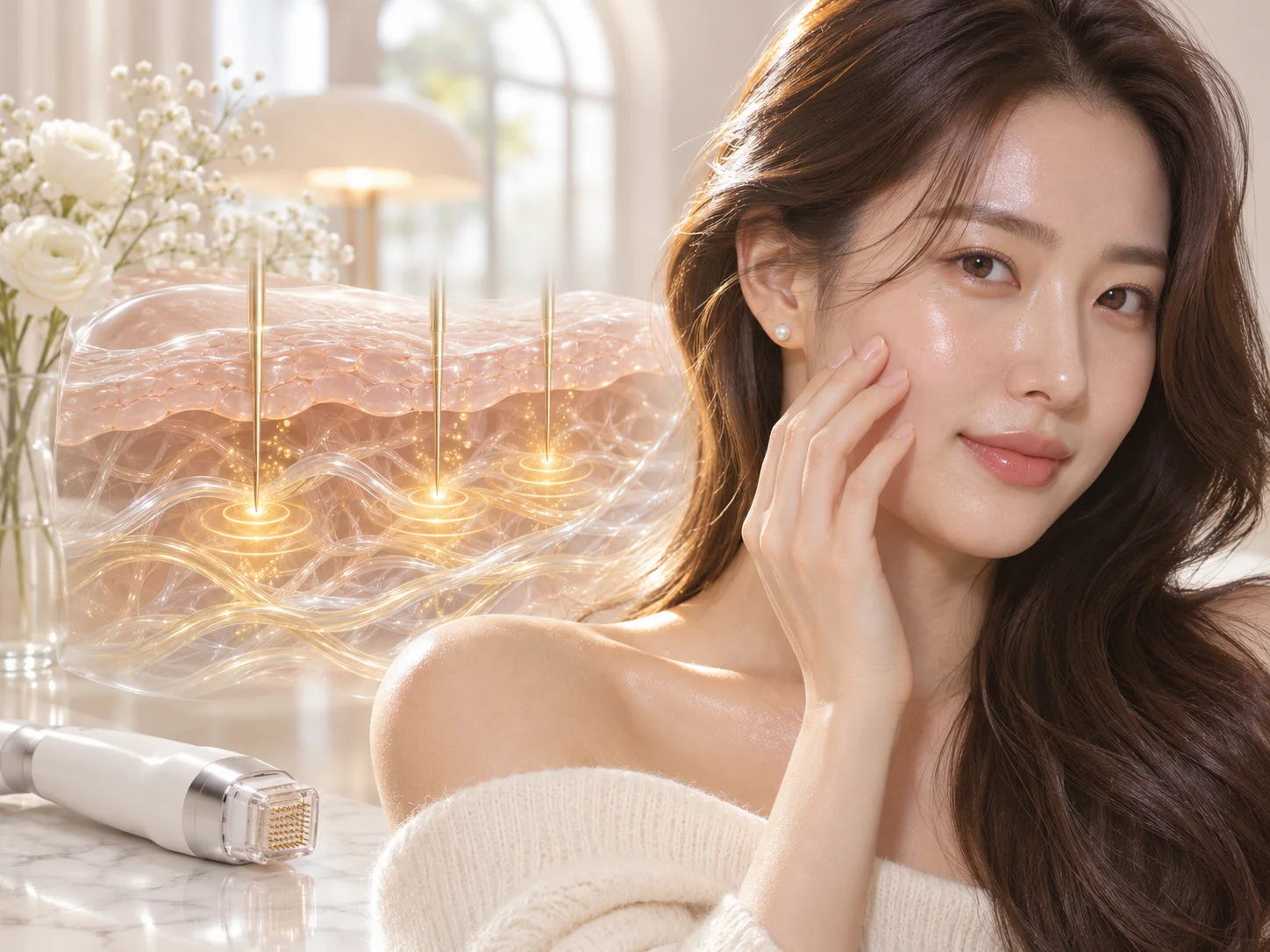
At LV Plastic Surgery, Anti-Hair Loss Treatment begins with a thorough diagnosis of the scalp, followed by a customized, step-by-step combination of necessary care. Our treatments are centered around PRP / PRF—which uses concentrated platelets from your own blood to release growth factors that aid regeneration—and are tailored with regenerative components like PDRN, Rejuran, and even Blood Derived Stem Cell depending on your scalp's condition. We take pride in providing honest guidance: these procedures are designed to maintain hair density and scalp health rather than serving as a replacement for hair transplants.
Addressing scalp and hair concerns is far more effective when care begins at the early stages of thinning rather than after significant hair loss has occurred. The frequency and interval of treatments are determined through consultation, tailored to each individual’s scalp condition and lifestyle. If your scalp has become exceptionally sensitive or your hair concerns have grown this winter, we invite you to review your home care habits and have your scalp health assessed at LV Plastic Surgery.